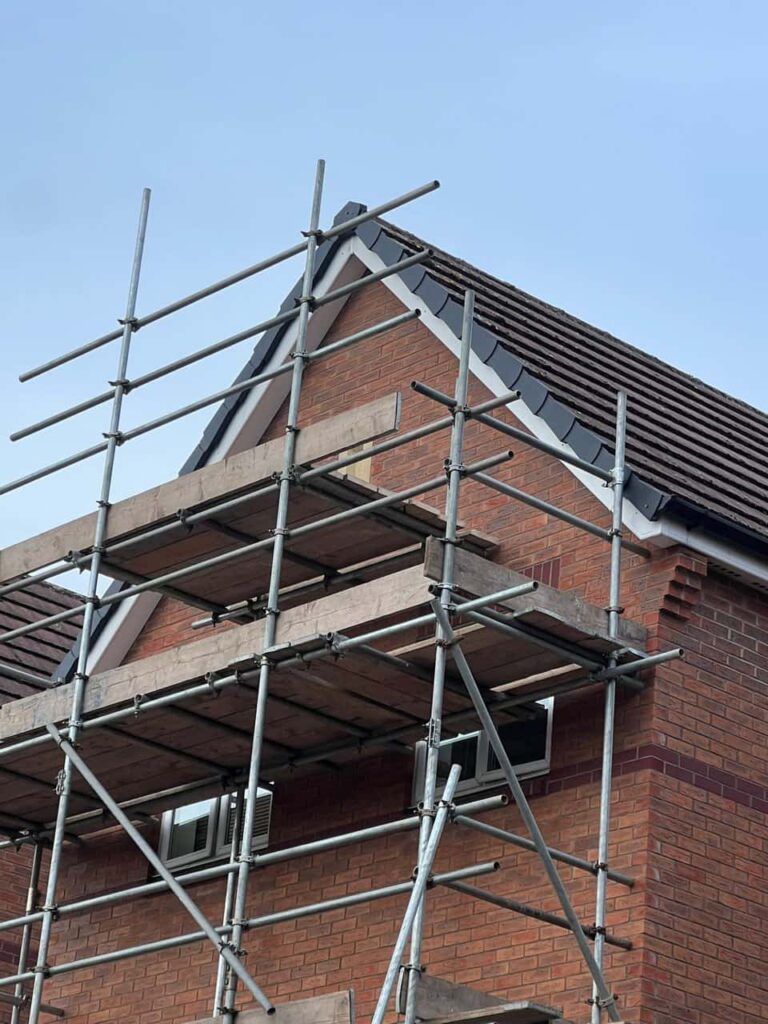
A roof leak does not always begin with water dripping through the ceiling. In many cases, moisture can enter through small gaps in roof tiles, damaged flashing or deteriorating joints long before obvious signs appear indoors. Recognising these early warning signs can help homeowners address roofing problems before they cause more extensive damage.
For property owners in Radford, Coventry, regular roof checks and prompt attention to damp patches or unexplained moisture can help protect the structure of the home. Radford Roofing Repairs provides professional roofing services to help identify the source of leaks and recommend suitable repairs before problems become more difficult to manage.
Why Early Roof Leak Detection Matters
Even a minor roof defect can allow rainwater to enter the building repeatedly. Over time, moisture may affect roof timbers, insulation, plasterwork and internal finishes. Persistent damp conditions can also encourage mould growth and leave unpleasant odours in affected rooms.
The difficulty is that water does not always travel directly downwards from the point where it enters the roof. It may move along timber beams, under roofing materials or across the underside of the roof structure before becoming visible. This means that the location of an indoor stain does not necessarily reveal the exact source of the leak.
Identifying the cause early allows a roofer to assess the affected area, check surrounding materials and determine the most appropriate repair.
Hidden Signs That Your Roof May Be Leaking
Brown Stains on Ceilings and Walls
Brown or yellowish marks on ceilings and upper walls are common indicators of water ingress. These stains may appear after rainfall or gradually become more noticeable over several weeks.
Pay particular attention to marks near chimney breasts, external walls, roof junctions and the upper corners of rooms. Even if a stain dries out, it may return during the next period of wet weather.
Avoid simply painting over the affected area before identifying the cause. If the roof continues to leak, the moisture damage is likely to return.
Peeling Paint and Bubbling Plaster
Moisture trapped behind paint or within plaster can cause surfaces to bubble, flake or separate from the underlying material. These changes may develop slowly, making them easy to mistake for general wear or condensation.
If the damage is concentrated near the ceiling or upper sections of a wall, a roof leak should be considered alongside other possible sources of moisture. A professional inspection can help establish whether water is entering through the roof or whether another issue needs attention.
Musty Smells in the Loft
An unexplained musty smell in the loft can indicate excess moisture, particularly if it persists when the weather is dry. Damp insulation, roof timbers and stored materials may retain moisture even when there is no visible dripping.
If you can safely access the loft without disturbing insulation or approaching unstable areas, look for obvious damp patches or water marks from the entrance. Do not climb onto roof timbers or touch wet electrical equipment.
Persistent moisture should be investigated promptly, as the visible signs may not reveal the full extent of the problem.
Damp or Compressed Loft Insulation
Roof leaks can affect insulation before water reaches the rooms below. Wet or compressed insulation may lose some of its effectiveness and can remain damp for extended periods if ventilation and drying conditions are poor.
Look for visible discolouration, damp patches or signs that insulation has become unusually compacted. However, avoid handling potentially contaminated materials or disturbing the insulation unnecessarily.
A roofing professional can assess the roof covering and investigate whether water is entering from above.
Daylight or Gaps Around Roof Features
If daylight is visible through the roof covering from within the loft, there may be a gap or missing component that requires investigation. However, some roof designs include ventilation openings, so not every visible point of light indicates damage.
Other warning signs include displaced tiles, damaged flashing around chimneys and gaps near roof windows or adjoining walls. These areas are particularly important because the joints must prevent rainwater from entering while accommodating the roof’s construction.
Do not climb onto the roof to inspect these features. A professional roofer can check the external covering safely.
Common Causes of Hidden Roof Leaks
Several roofing defects can allow water to enter without immediately producing obvious indoor damage.
- Broken or slipped roof tiles: Gaps in the roof covering can expose the layers beneath to rainfall.
- Damaged flashing: Loose or deteriorated flashing around chimneys and wall junctions can allow water through vulnerable joints.
- Blocked gutters: Restricted drainage can cause water to overflow and affect roof edges or external walls.
- Deteriorated flat roof coverings: Cracks, splits or failed seams may allow moisture to penetrate the roof structure.
- Damaged roof valleys: Defects where roof slopes meet can interfere with the safe flow of rainwater.
Understanding the likely cause is essential because the visible symptoms alone rarely provide enough information to determine the correct repair.
What to Do If You Suspect a Roof Leak
If you notice signs of moisture, make a note of where they appear and whether they become worse after rainfall. Photographs taken from a safe position can help document changes over time.
Move belongings away from affected areas and contain dripping water where it is safe to do so. If the ceiling begins to sag or water reaches electrical fittings, keep clear of the area and seek appropriate assistance.
Avoid walking on the roof or attempting repairs at height. Contact a roofing professional to investigate the source of the leak, assess the surrounding materials and recommend suitable remedial work.
Professional Roof Leak Detection in Radford, Coventry
Finding a hidden roof leak requires more than treating the first damp patch that appears indoors. Radford Roofing Repairs can help property owners in Radford, Coventry, investigate signs of water ingress and identify roofing defects that may be affecting their homes.
Whether you have noticed ceiling stains, damp loft insulation, damaged tiles or recurring moisture after rainfall, a professional assessment can help establish the cause and determine the most suitable repair.
Addressing roof problems promptly can help limit further deterioration and maintain the roof’s ability to protect the property.
Conclusion
Hidden roof leaks can develop long before water begins dripping into a room. Brown ceiling stains, peeling paint, musty loft smells and damp insulation are all warning signs worth investigating. Identifying the source early can help prevent moisture from causing further damage to the roof structure and interior.
If you suspect a roof leak at your property in Radford, Coventry, contact Radford Roofing Repairs to discuss your concerns and arrange a professional assessment.
Call us on: 024 7542 4996
Click here to find out more about Radford Roofing Repairs
Click here to complete our contact form and see how we can help with your roofing needs.